
Cleaning Shared Student Kitchens and Bathrooms at Changeover: What a Proper Deep Clean Covers
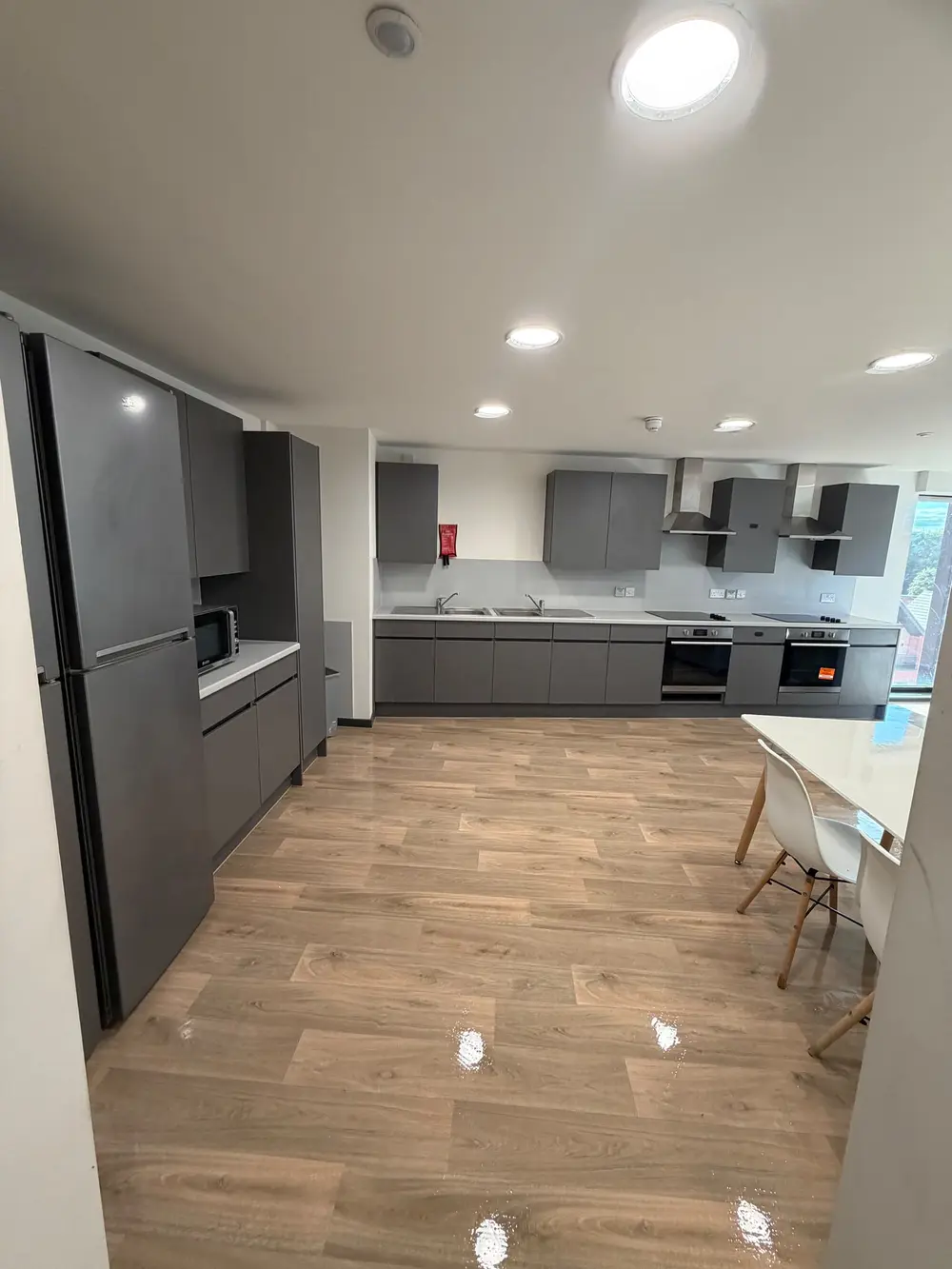
Shared kitchens and bathrooms are where a changeover goes wrong. Grease builds up behind the hob, limescale coats the shower head, and a fridge nobody owns gets left until the next intake finds it. This guide sets out what a proper changeover clean of those spaces should cover, what UK guidance actually says about it, and where cleaning stops and the landlord's repair duties begin.
Key Takeaways
- Shared fixtures, fittings and appliances in an HMO must be kept in clean working order under the Management of Houses in Multiple Occupation (England) Regulations 2006, so a changeover clean supports a legal duty, not just appearances.
- HSE guidance says shower heads and hoses should be dismantled, cleaned and descaled "quarterly or as indicated by the rate of fouling", and that rarely used outlets should be flushed weekly. A changeover is a natural point to do both.
- Cleaning removes surface mould. It does not cure the damp that causes it, and that remains a landlord repair issue.
- Awaab's Law currently applies to social housing. The government is consulting on extending it to private rented tenancies, with the consultation closing on 18 December 2026.
This guide is general information for facilities and property managers, not legal, medical or compliance advice. Duties depend on the type of building and how it is let, so check your own position with your local authority or a qualified adviser.
What does the law say about keeping shared student kitchens and bathrooms clean?
For a house in multiple occupation (HMO) in England, regulation 7 of the Management of Houses in Multiple Occupation (England) Regulations 2006 sets the standard. It requires common parts to be kept in "good and clean decorative repair", and shared fixtures, fittings and appliances to be kept in "good and safe repair and in clean working order" (legislation.gov.uk, SI 2006/372 regulation 7). Parts of the HMO not in use must be kept "reasonably clean and free from refuse and litter".
The regulation does not name kitchens or bathrooms. A shared kitchen or bathroom will usually count as a common part or a shared fixture, but that is a reading of the text rather than something the regulation spells out. Whether a particular building is an HMO, and which rules apply to university-run or purpose-built halls, is a question for the landlord or managing agent, not for the cleaner.
What the regulation does make clear is that cleanliness is part of the manager's duty. A changeover clean is one practical way of meeting it. It does not transfer the duty to the cleaning contractor. See our student accommodation cleaning in London service for how we scope this work.
What should a changeover clean of a shared kitchen include?
A changeover is the one point in the year when every surface can be reached, so the clean should go past what a weekly communal clean covers. For a shared kitchen this typically means:
The grounding for this is food-safety advice rather than a statutory checklist. The Food Standards Agency's student guide says that "effective cleaning and sanitation helps remove bacteria and stops harmful bacteria and viruses from spreading onto food", recommends a cleaning rota among housemates, and advises disinfecting high-touch areas in the kitchen such as the fridge door, sink tap handles and cupboard door handles (FSA, Student guide to food safety and hygiene, GOV.UK, updated 8 July 2026). The same guide says dish cloths, tea towels, sponges and oven gloves should be washed or changed regularly, with cloths and towels machine-washed on a hot cycle and dried fully.
There is no single UK document that defines what a "changeover deep clean" must contain. The list above is a sensible scope built from those duties and guidance, and you should expect any contractor to be able to show you theirs in writing.
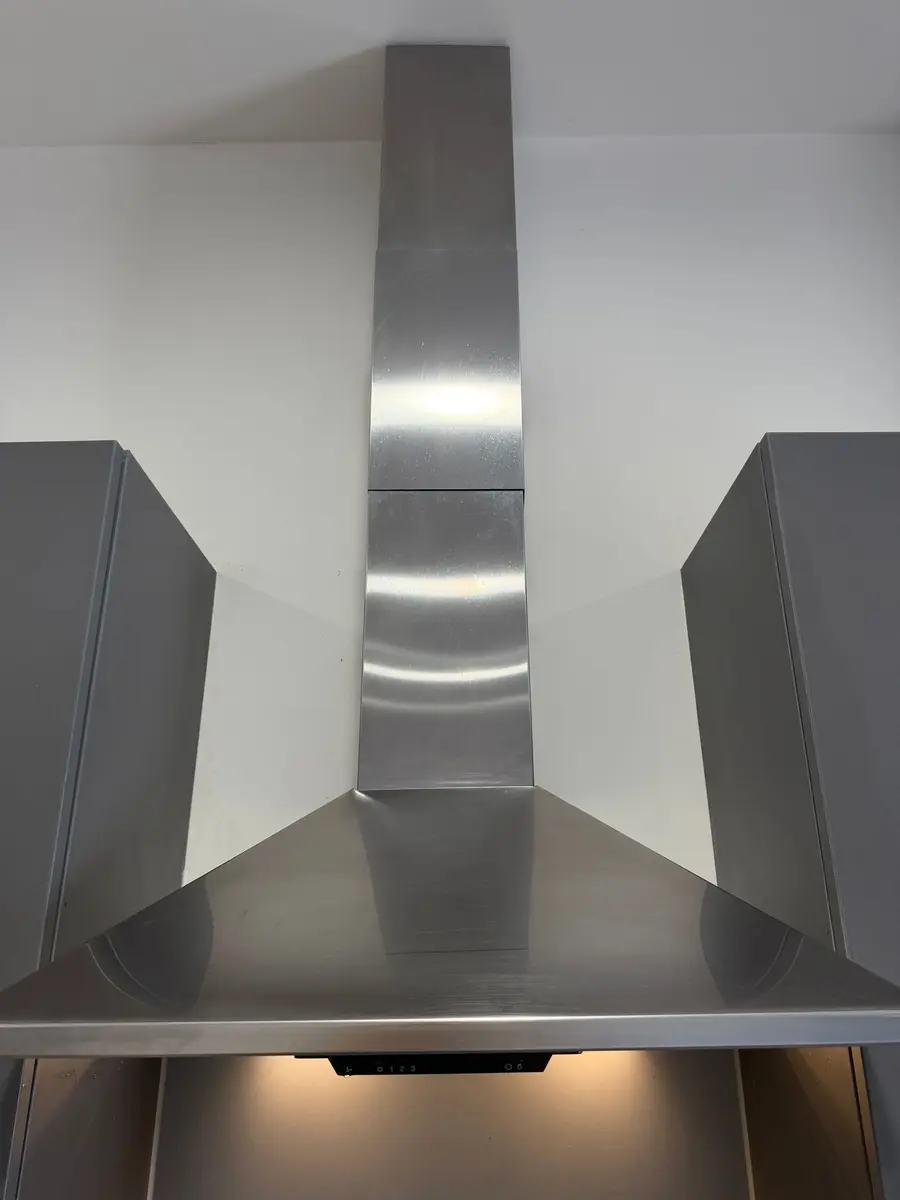
On extraction, a cleaning team can degrease hoods and the filters it can reach. Cleaning ductwork behind the wall or ceiling is specialist work and should be scoped and booked separately.
What about shower heads, limescale and legionella?
Limescale matters here because of what it can shelter. HSE's guidance for landlords says the risks from hot and cold water systems in most residential settings are "generally considered to be low", mainly because water is used regularly. It also says that landlords have legal responsibilities for their tenants' health and safety, and that tenants should be advised to "regularly clean and disinfect showerheads", because showers create aerosols that can be inhaled (HSE, Legionella and landlords' responsibilities).
The same page names student accommodation specifically. Properties "left vacant for extended periods (such as student accommodation left empty over the summer vacation)" need careful management so that water does not stagnate, and outlets should be used at least once a week.
HSE's technical guidance, HSG274 Part 2 (published 2024), is aimed at dutyholders with water systems rather than at individual student flats, but its wording is a useful benchmark. It lists dismantling, cleaning and descaling removable parts, heads, inserts and hoses "quarterly or as indicated by the rate of fouling or other risk factors". On infrequently used outlets, it says that weekly flushing "for several minutes can significantly reduce the risk of legionella proliferation", and that once started the procedure has to be sustained and logged (HSE, HSG274 Part 2).
For a changeover clean, that means descaling shower heads and hoses, cleaning taps, and running outlets in rooms that stood empty. The risk assessment itself, and decisions about temperature control or water treatment, remain with the landlord or their competent person. For shared spaces beyond the kitchen and bathroom, see our communal area cleaning in London.
What does a changeover clean cover in the bathroom?
Alongside the shower heads, a bathroom changeover usually includes:
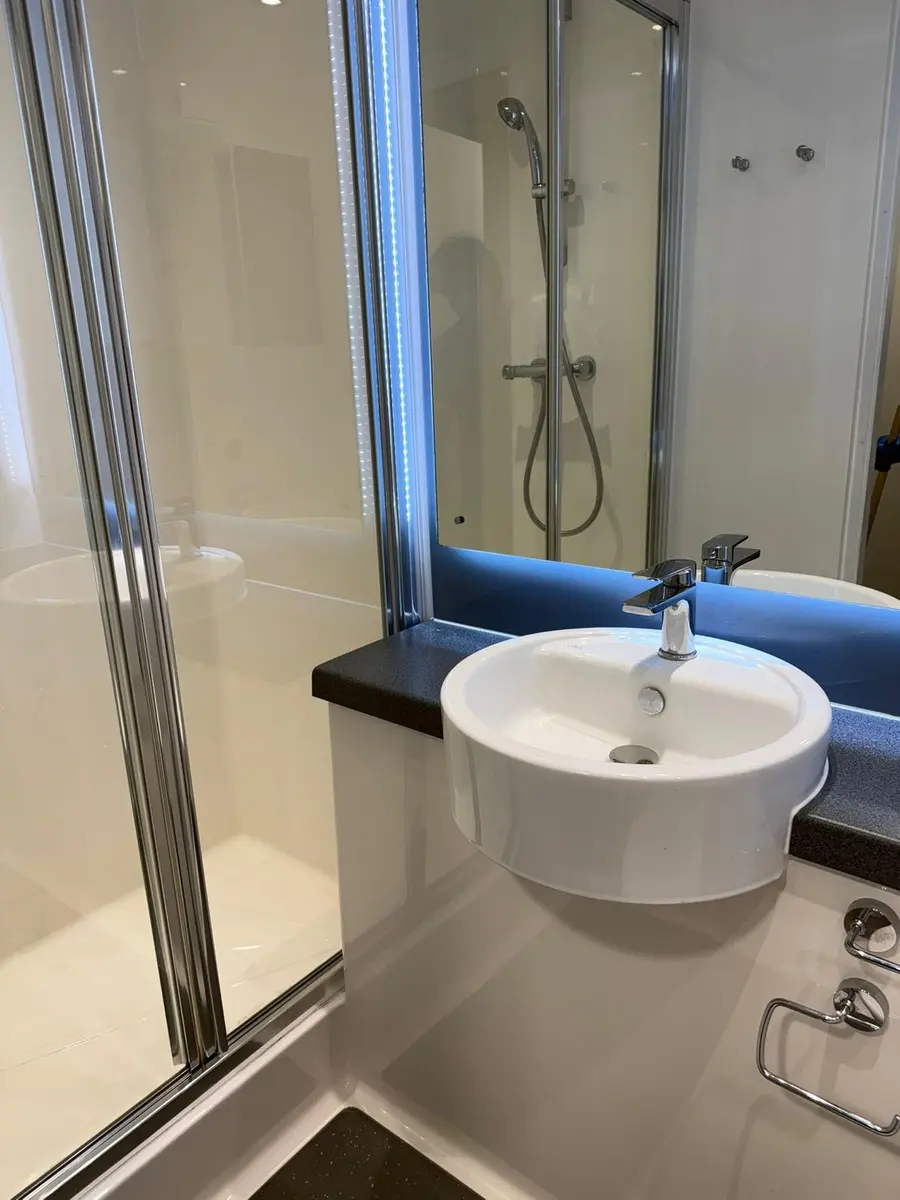
Every item on that list is surface cleaning. The sealant may need replacing, and a fan that does not extract needs repair rather than cleaning.
Where does cleaning stop and the landlord's responsibility start?
Surface mould can be cleaned off. The reason it keeps coming back is a repair or ventilation problem, and a cleaner cannot fix it. If a room has damp from a leak, a failed seal or poor extraction, cleaning will only hide it temporarily.
This distinction is becoming more important in rented housing. The government's Awaab's Law already sets deadlines for social landlords to deal with damp and mould, and the government says it is "already in force in the social housing sector" (GOV.UK, 8 October 2026). It has opened a consultation on extending those rules to private rented tenancies and to accommodation occupied under licence, which closes at 11:59pm on 18 December 2026 (GOV.UK, Extending Awaab's Law to private rented tenancies and to licences).
So private landlords are not yet bound by the same fixed deadlines. If you manage student properties, though, a record that shows what you found at changeover is useful whichever way the rules go. Dated photographs of problem areas, taken before cleaning, help you show that you saw the issue and escalated it. Our guide to damp, mould and hygiene in communal hallways covers the reporting side in more detail.
How do you check that a changeover clean was done properly?
Ask for evidence rather than reassurance. A good changeover process gives you a room-by-room checklist, photographs taken per room and timestamped, and a clear note of anything the cleaners could not fix. Klean Touch provides documented room-by-room checklists and per-room photo proof for student accommodation cleans, with flagged items handled through an account manager. Whoever you use, you want to be able to look at the record after the clean and know what was done.
It also helps to decide the scope before the changeover window opens. Summer turnover windows are short, and finding out on the day that nobody agreed who descales the shower heads is how corners get cut. Our summer checklist for preparing student halls covers the wider turnaround.
Plan your next changeover
Klean Touch offers a free site visit and proposal for student accommodation, so the scope is written down before the turnover window opens.
Frequently Asked Questions
Do student kitchens have to meet food hygiene registration rules? ↓
This guide doesn't cover registration. Students cooking for themselves in a shared house or hall are generally not running a food business, so the practical guidance is the Food Standards Agency's advice for students, cited above. If you are unsure how your site is classed, ask your local authority's environmental health team.
Can a cleaning company fix mould in a student bathroom? ↓
It can remove visible surface mould from grout, seals and surfaces. It cannot fix the leak, ventilation fault or damp that caused it. Those are repairs for the landlord.
How often should shower heads be descaled? ↓
HSE technical guidance lists dismantling, cleaning and descaling heads and hoses "quarterly or as indicated by the rate of fouling or other risk factors". A changeover is a good moment to do it, and more often if the water is hard and the heads foul quickly.
Last reviewed 30 October 2026. We review this guide when the rules it describes change, including the outcome of the Awaab's Law consultation.
Related Reading
Book a student accommodation site visit
Get a free site visit and a written proposal built around your changeover dates.